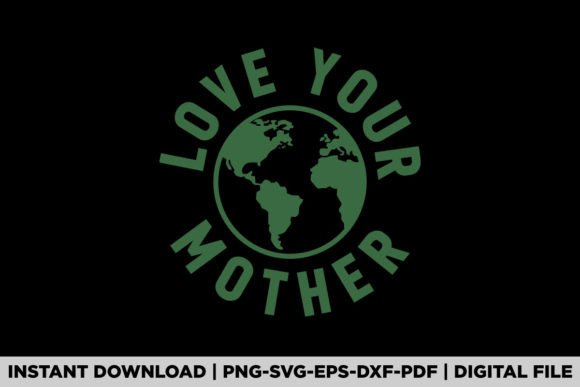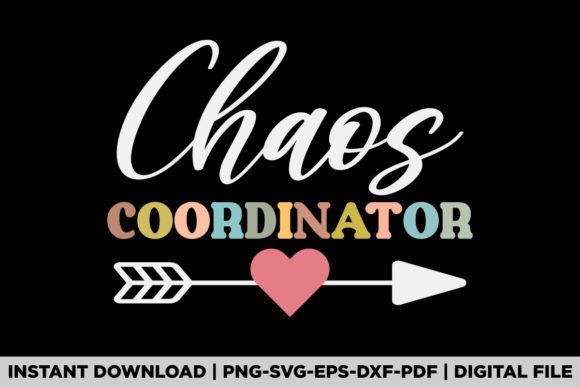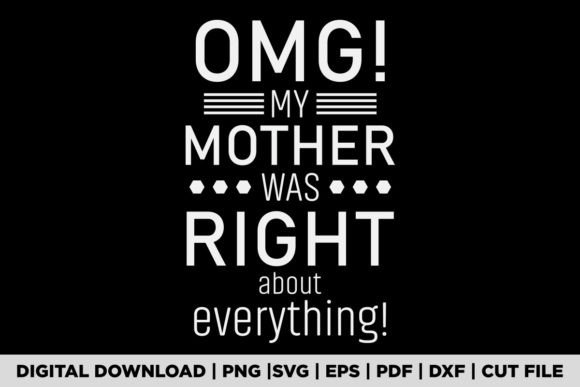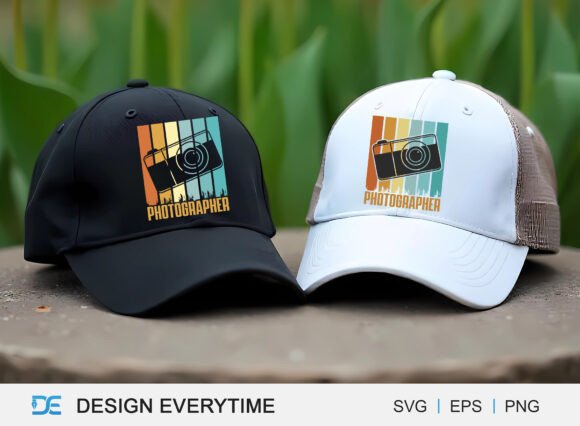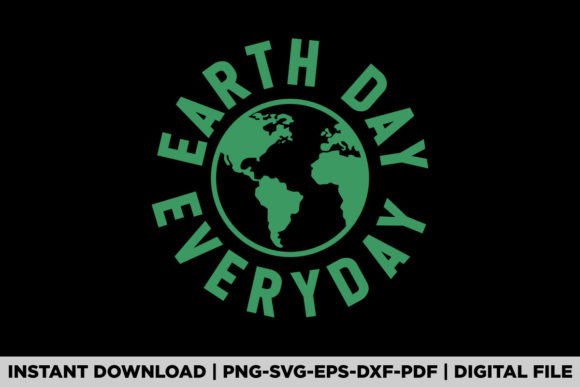
Earth Day Everyday Graphics for T-Shirt Designs
As a brand designer, I always look for graphic design assets that can seamlessly integrate into real-world small business branding. Earth Day Everyday is one such asset that offers a versatile and meaningful visual language. From the first glance, it evokes a sense of warmth, nature, and community—perfect for businesses aiming to connect with eco-conscious consumers.
The Mood and Personality of Earth Day Everyday
Earth Day Everyday carries a soft, organic feel that suggests a friendly, approachable brand personality. It leans toward the handmade and natural aesthetic, making it ideal for local businesses like artisanal bakeries, eco-friendly skincare brands, or boutique stores selling sustainable products. The design feels authentic, not overly commercial, which aligns well with the values of many small business owners who prioritize sustainability and authenticity in their brand identity.
It’s not just a graphic—it’s a statement. Whether used on product labels, packaging, or promotional materials, Earth Day Everyday adds a touch of thoughtfulness that resonates with customers looking for more than just a product; they want a connection.
Real-World Applications for Local Businesses
For a small business owner, Earth Day Everyday can be a powerful tool in multiple areas of design. In logo design, it can serve as a subtle accent or standalone element, especially for brands that want to emphasize environmental responsibility. For packaging design, it can act as a background pattern, a border, or a decorative element that enhances the overall aesthetic without overwhelming the product.
It also works well in product labels, hang tags, and thank-you cards. Imagine a handmade soap business using Earth Day Everyday as a label on its bottles or as a sticker on gift boxes. The design adds a layer of storytelling that complements the product’s purpose and values.
In social media graphics and website banners, Earth Day Everyday can create a cohesive visual theme that supports the brand’s message. It’s also useful in marketing visuals, such as flyers, posters, and promotional ads, where a clean and consistent look is essential for customer recognition and trust.
Supporting Business Presentation and Brand Identity
One of the key benefits of Earth Day Everyday is its ability to strengthen a brand’s first impression. A well-designed visual can make all the difference in how a small business is perceived. When used consistently across product packaging, digital assets, and promotional materials, it helps build a stronger brand identity that customers can easily recognize and remember.
This design asset also improves visual hierarchy. By using Earth Day Everyday as a background or accent, it allows important information like product names, pricing, and calls to action to stand out more clearly. This clarity is crucial for businesses that rely on effective communication through packaging and print materials.
Additionally, Earth Day Everyday contributes to more professional packaging and better shelf appeal. In a competitive market, even small details like design elements can influence purchasing decisions. A polished, cohesive look can increase customer trust and encourage repeat business.
Where Earth Day Everyday Shines
Earth Day Everyday excels in product labels, packaging accents, and hero graphics. It’s perfect for seasonal campaigns, such as Earth Day promotions or summer sales, where a fresh and inviting look is needed. As a decorative brand element, it can be used in store displays, signage, and even printable inserts for customer engagement.
For boutique visuals and social media campaign graphics, Earth Day Everyday provides a consistent and appealing visual style that aligns with modern design trends. It’s also a great fit for product mockups, allowing designers to showcase how the asset would look on different mediums before finalizing the design.
Where to Use with Caution
While Earth Day Everyday is versatile, it may not be suitable for every use case. In formal corporate branding, its casual and organic feel might not align with the desired tone. Similarly, it should be used carefully on very small labels or crowded product packaging, where it could become distracting rather than enhancing the design.
When placed beside legal information or in low-contrast backgrounds, the design may lose its effectiveness. Luxury minimalist brands that prefer clean, unadorned aesthetics may find Earth Day Everyday too busy or decorative. It’s important to test the asset in various contexts to ensure it complements the overall design rather than competing with it.
Practical Designer Notes for Using Earth Day Everyday
Before integrating Earth Day Everyday into a project, it’s wise to test it on real packaging mockups. Check how it looks in black and white, as this can reveal hidden details or contrast issues. Preview it on small labels to ensure readability and clarity.
Test the design with your brand colors to see how it interacts with existing palettes. Compare it with competitor packaging to ensure it stands out while maintaining a professional look. Review PNG transparency and inspect SVG or vector editability if you need to modify the design for specific applications.
Experiment with different font styles—serif, sans serif, script, handwritten, and display fonts—to see how they interact with the graphic. Finally, always confirm the commercial license before using the asset for client work, business branding, or physical product sales. This ensures you’re using a valid design asset that meets your business needs.
Conclusion: Earth Day Everyday for Small Business Success
Earth Day Everyday is more than just a graphic design asset—it’s a valuable tool for small business branding, product presentation, and promotional visuals. Whether you're a bakery owner, a handmade seller, or a packaging designer, this design can help elevate your brand’s visual identity and create a stronger emotional connection with your audience.
By understanding its strengths and limitations, you can use Earth Day Everyday effectively across multiple design applications, from product labels to social media graphics. With careful consideration and practical testing, it can become a key component of your creative toolkit and support your business’s growth in a meaningful way.